

Gastrolobium celsianum (syn. Brachysema lanceolatum)
Gastrolobium celsianum (syn. Brachysema lanceolatum)
Couldn't load pickup availability
Common Name: Swan River Pea (Gastrolobium celsianum, syn. Brachysema lanceolatum)
Description:
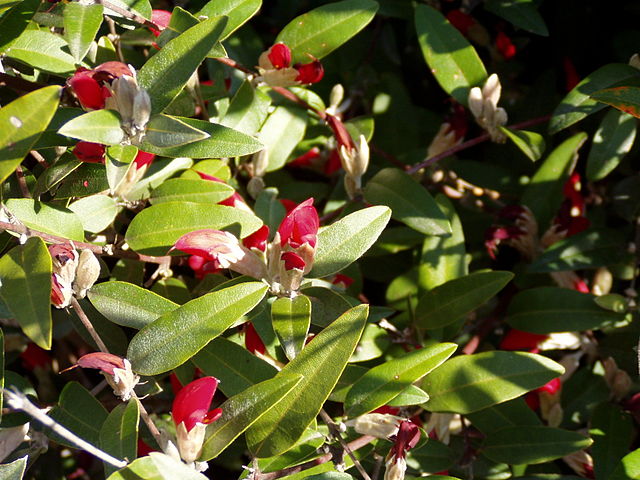
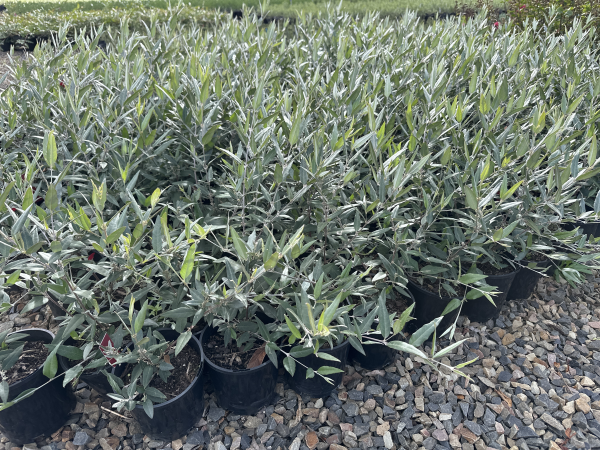
Swan River Pea is a charming, evergreen Australian native shrub renowned for its dense, mound-shaped habit and glossy green leaves with silvery undersides. In late winter through spring, it produces abundant, long-curved, bright red pea flowers—each around 2–3 cm long—that attract nectar-feeding birds and insects. Thriving in both full sun and part shade, this adaptable plant tolerates a wide range of soil types including sandy, clay, or loamy, as long as drainage is good. Once established, it's drought tolerant, copes with light to moderate frost, and performs well even in humid or coastal conditions. Its tidy growth makes it ideal as a groundcover, informal hedge, understory layer, erosion-control planting, or feature shrub, with very low maintenance needs and excellent ecological benefits.
Form:
-
Shrub – Small to Medium
-
Ground Cover
-
Informal Hedge / Understorey
Mature Size:
-
Height: 1–1.5 m (sometimes up to 2 m)
-
Width: 2–3 m
Aspect:
-
Full Sun
-
Part Shade
Flowering:
-
Flowers in Winter
-
Flowers in Spring
-
Occasional blooms other times
Flower Colour:
-
Bright red pea-shaped flowers
Key Attributes:
-
Evergreen
-
Perennial
-
Native Australian
-
Bird Attracting
-
Bee & Insect Attracting
-
Drought Tolerant once established
-
Frost Tolerant (moderate)
-
Coastal Hardy
-
Suitable for Erosion Control
-
Low-Maintenance
-
Dense, neat mound habit
Toxicity:
-
Non-toxic to humans, pets, and livestock
Companion Plants:
-
Kangaroo Paw (Anigozanthos spp.) – bold flowers amid fine foliage
-
Lomandra spp. – structural contrast with grassy form
-
Grevillea spp. – complements native aesthetics and attracts wildlife
-
Hardenbergia violacea – purple seasonal contrast
Enter Your Postcode Below & Click 'Check' To See Delivery cost To Your Area
- Choosing a selection results in a full page refresh.
- Opens in a new window.