

Brassica oleracea
Brassica oleracea
Couldn't load pickup availability
Common Name:
Wild Cabbage (includes cultivated varieties such as Broccoli, Cauliflower, Kale, Brussels Sprouts, and Cabbage)
Description:
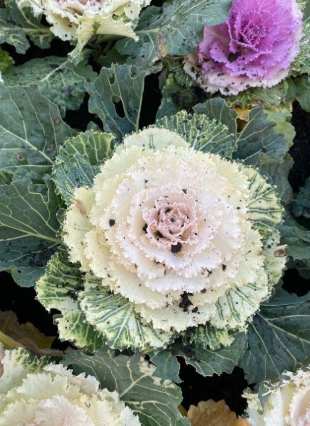
Brassica oleracea is a highly versatile and widely cultivated plant species, from which many popular vegetable varieties originate, including cabbage, broccoli, cauliflower, kale, Brussels sprouts, and collard greens. This biennial or perennial plant is known for its thick, waxy leaves and ability to withstand cool temperatures. Different cultivated forms exhibit various growth habits, including tight leafy heads (cabbage), edible flower clusters (broccoli and cauliflower), and small leafy rosettes (Brussels sprouts).
It thrives in well-drained, fertile soil with consistent moisture and benefits from full sun exposure. Regular feeding with organic matter or balanced fertilisers will support healthy growth and maximise yields. Some varieties are more tolerant of frost, while others prefer milder conditions. Brassica oleracea is an essential plant for vegetable gardens, providing nutritious, vitamin-rich produce throughout the growing season.
Form:
- Herbaceous Vegetable
Mature Size:
(Varies by variety)
- Height: 30 cm – 1 metre
- Width: 30 cm – 1 metre
Aspect:
- Full Sun
Flowering:
- Flowers in Spring (if left to bolt)
Flower Colour:
- Yellow
Key Attributes:
- Edible Leaves, Stems, or Flowers (depending on variety)
- Suitable for Vegetable Gardens
- Frost Tolerant (varies by variety)
- Attracts Pollinators
Toxicity:
- Non-toxic to humans and animals, but excessive consumption by pets may cause digestive upset.
Companion Plants:
- Allium species (Garlic, Onions, Leeks) – deter pests
- Legumes (Peas, Beans) – improve soil nitrogen
- Marigolds – repel insects
- Nasturtiums – attract beneficial insects
- Herbs (Dill, Thyme, Rosemary) – help deter cabbage moths and aphids
Enter Your Postcode Below & Click 'Check' To See Delivery cost To Your Area
- Choosing a selection results in a full page refresh.
- Opens in a new window.